

Long COVID Assessment
Some people have breathlessness, a cough, or chest tightness for months after COVID-19. At Sleepscope, a respiratory physician can look at your lungs and breathing and check for other causes.

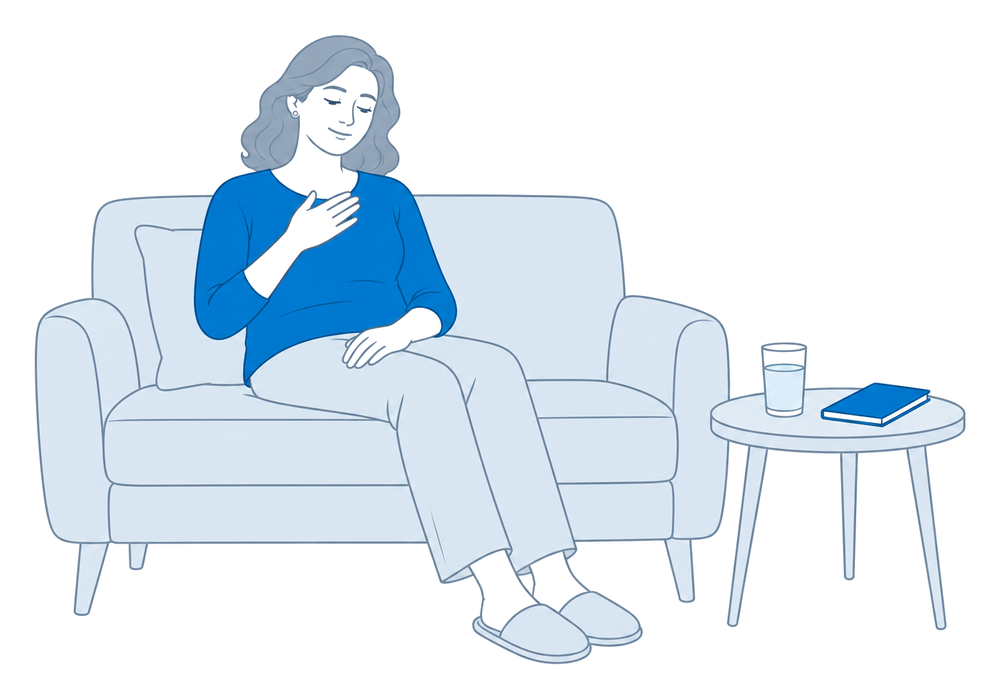
Long COVID, also called post-COVID-19 condition, is the name for symptoms that continue after COVID-19. Doctors usually use the term when symptoms are still present more than three months after the infection and have no other explanation. It can affect people of any age, even after a mild infection.
Shortness of breath, a lingering cough, and chest tightness or discomfort are among the possible breathing symptoms. Other symptoms include tiredness (fatigue), difficulty concentrating, and symptoms that become worse after physical or mental effort.
There is no single test for long COVID, so doctors base the diagnosis on your symptoms and history and check for other causes. The long COVID assessment at Sleepscope looks at the lungs and breathing. It is for people whose GP or specialist has checked their symptoms and recommended an appointment with a respiratory physician. If your symptoms suddenly become worse, please call triple zero (000) rather than waiting for the appointment.
Call triple zero (000) immediately if you are short of breath and any of these apply: you cannot speak in full sentences, you have pain in your chest, arm, or jaw, your skin is pale and sweaty, your lips are blue, or you feel drowsy or confused.
Do not wait for a routine appointment or drive yourself to hospital.
Your description will help your doctor decide which checks or tests you need.
Please tell your doctor when you had COVID-19, whether you needed hospital care, which symptoms began then, and whether they are improving, steady, or getting worse.
Describe what happens when you are active, how long it takes to recover, and whether symptoms become worse later, after effort. Mention any dizziness or racing heartbeat when you stand. A symptom diary can help you and your doctor track changes.
Mention any lung or heart condition, smoking or vaping, and every medication you take, including inhalers. Please tell the doctor about your sleep, mood, and concentration as well, because long COVID can affect them too.
Long COVID can affect many parts of the body, and breathlessness, a cough, or chest tightness can be part of it, often alongside tiredness. Some people also notice dizziness or a fast heartbeat when they stand up.
When symptoms become worse after physical or mental effort, this is called post-exertional malaise. It affects how activity is planned, and your doctor can advise how to approach it.
Breathing symptoms after COVID-19 can also come from another lung condition, such as asthma or COPD, or from a chest infection. These need their own treatment, which is one reason the respiratory physician will look for other causes.
Heart conditions and anaemia can also cause breathlessness, and being less fit can add to it. These are checked as well, because they need different treatment.
Long COVID does not have one standard treatment, and at present no medication is recommended for it. Care focuses on managing your symptoms and treating any other condition the tests find, and the respiratory physician will explain what may help in your situation.
Pacing can help with tiredness and with symptoms after effort. Break activities into smaller tasks, rest often, spread demanding jobs across the week, and keep to what is essential on difficult days. If activity makes your symptoms worse, please talk to your doctor before increasing exercise.
Breathing exercises and rehabilitation programs are among the approaches used. Your GP or respiratory physician can refer you to programs, and to other health professionals such as a physiotherapist or psychologist, outside Sleepscope. Many people improve over time, although how long this takes varies.
There is no single test for long COVID. The respiratory physician will choose tests to see how your lungs are working and to check for other causes. Your blood pressure, heart rate, and oxygen level may also be checked.
Spirometry and a lung function test, which includes a gas transfer test, show how well the lungs move air and pass oxygen into the blood. Both are available at some Sleepscope clinics, and some inhalers need to be stopped beforehand, as each test's page explains.
A chest X-ray or CT scan takes pictures of the lungs. Sleepscope offers both through Scope Radiology, which is at M-City Clayton, in Melbourne's south-east. The respiratory physician can refer you for blood tests, which a separate pathology service carries out. If a heart cause is suspected, the physician may refer you for an electrocardiogram (ECG) or an echocardiogram at Heartscope, a cardiology service.
Normal results still help, because they rule out other causes and guide how your symptoms are managed. Not everyone needs every test.
You will need a valid referral from your GP or specialist for a respiratory consultation. The respiratory physician will ask about your breathing, including when the problem started and how it affects daily life, and review your medical history and medications.
Fees are listed on each clinic's page, and the clinic will confirm them before your visit.
The consultation takes up to 30 minutes and needs no preparation. If spirometry or a lung function test is booked as well, some inhalers need to be stopped beforehand, as set out on that test's page.
Please arrive 10 to 15 minutes early to complete the forms. After your visit, the respiratory physician will send a letter to your referring doctor. Tests at other services need separate appointments.
Sleepscope physicians see patients at clinics in Victoria and Queensland. If you have a referral, our team can confirm the location and appointment details.
View clinic locationsYes, with a valid referral from your GP or specialist. The assessment looks at the lungs and breathing. Sleepscope offers chest X-rays and CT scans through Scope Radiology, and blood tests and rehabilitation programs may be arranged with another provider.
It can. Long COVID can develop even after a mild case of COVID-19. Please mention when your symptoms began, although the timing alone does not confirm the cause.
Please tell your doctor if symptoms continue or change. They can explain what your results do and do not show, and whether more tests or other support would help.
Please talk to your doctor before increasing exercise. If activity makes your symptoms worse afterwards, exercise needs a careful, individual approach, and pacing is usually advised.