

Occupational Lung Disease
Breathing in dust, fibres, fumes, or gases at work can affect the lungs, sometimes many years later. At Sleepscope, a respiratory physician can assess your lungs and breathing and look at your work history.

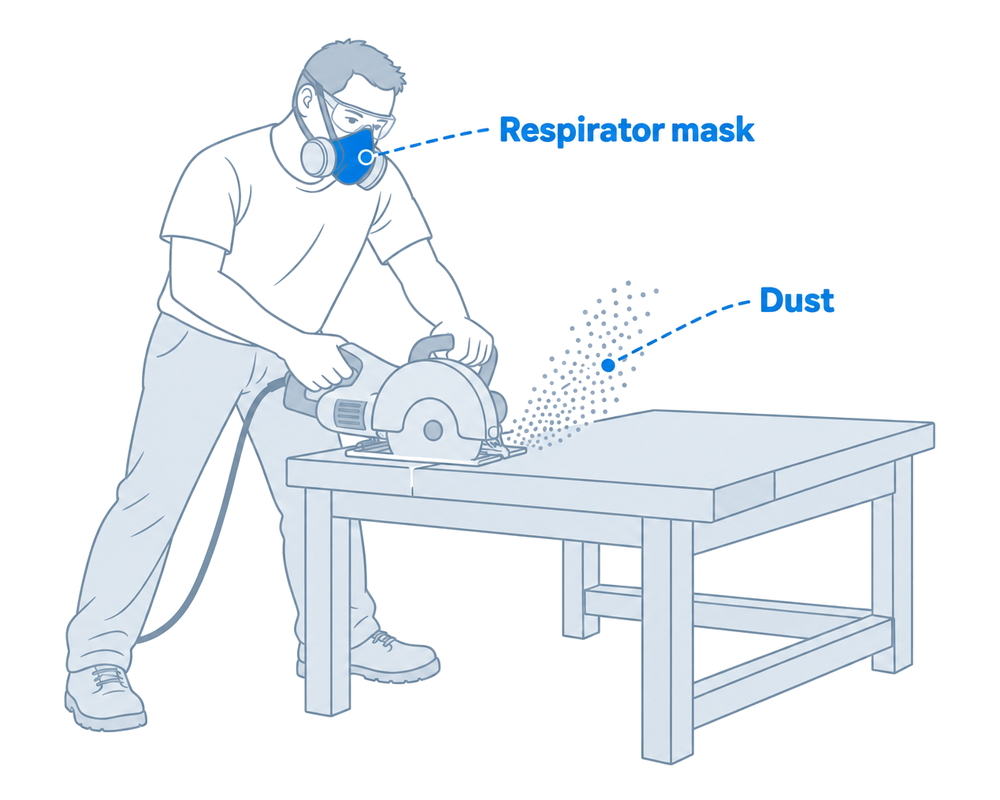
Some lung conditions are caused, or made worse, by what people breathe in at work. Dusts such as silica, asbestos, and coal can scar the lungs, in a group of conditions called pneumoconiosis. Other dusts, fumes, and gases can cause asthma or COPD, or make an existing condition worse.
These conditions can take years to appear, sometimes long after the exposure has stopped, and early on there may be no symptoms. For this reason, your doctor needs to know about past jobs as well as your current one.
A respiratory physician can assess your lungs and breathing, look at how past and present work may have affected them, and explain what the findings mean for you.
Call triple zero (000) immediately if you are short of breath and any of these apply: you cannot speak in full sentences, you have pain in your chest, arm, or jaw, your skin is pale and sweaty, your lips are blue, or you feel drowsy or confused.
Do not wait for a routine appointment or drive yourself to hospital.
The respiratory physician will ask about every job you have had, including those from long ago. It helps to describe the tasks on a typical day and the materials you handled. The physician will also ask which dusts, fumes, or gases were in the air around you, for how many years, and whether masks, ventilation, or wet cutting were used.
Please say when your symptoms started, whether they ease on days off or holidays, and whether workmates have similar symptoms. The physician will also ask about smoking or vaping, and about hobbies with dust, fumes, or birds, such as home renovations or bird keeping.
The physician will explain the findings, any further tests, and what they mean for your health, including ways to limit further exposure. Please tell your doctor about any new or worsening symptoms, even after the consultation.
Whether work affects your lungs depends on what you breathed in, how much, and for how long. Your GP or specialist may suggest a consultation if you have symptoms such as breathlessness, a cough, or a tight chest and have worked with or near any of these:
The first step is to stop breathing in more of the dust or fumes, where possible. Sometimes that means a change of tasks or of job, which is a big step to discuss with your doctors first.
At work, wet cutting, dust extraction on tools, good ventilation, and a properly fitted mask (respirator) lower the amount of dust and fumes you breathe in. Please ask at work which of these protections are used, and raise any concerns with your employer.
Treatment cannot undo scarring caused by dust, but it can ease symptoms, and for some conditions it can slow the scarring. Depending on the condition, this may include inhalers when asthma or COPD is also present, and anti-scarring (antifibrotic) medications for some people whose silicosis is getting worse.
Quitting smoking or vaping, regular exercise, and vaccines against pneumococcal disease, flu, and COVID-19 all help you stay as well as possible. A pulmonary rehabilitation program teaches exercise and ways to manage breathlessness. Programs run outside Sleepscope, through hospital and community services, and your GP or respiratory physician can refer you. Please talk to your doctor if you are feeling worried or low, because support is available.
The respiratory physician will look at your symptoms, your work history, and any earlier results, and will explain whether new tests would help.
Spirometry and a lung function test, which includes a gas transfer test, show how well your lungs move air and pass oxygen into the blood. Both are available at some Sleepscope clinics, and some inhalers need to be stopped beforehand, as each test's page explains. Repeating them over time helps the physician monitor your lungs.
A chest X-ray and a high-resolution CT scan can show scarring or other changes caused by dust. Sleepscope offers chest X-rays and CT scans through Scope Radiology, which is at M-City Clayton, in Melbourne's south-east. CT uses X-rays, so please tell your doctor if you are or might be pregnant.
Blood tests can look for other causes of symptoms and for related conditions. The respiratory physician can refer you for them, and a separate pathology service carries them out.
Sometimes a closer look inside the airways is needed. A bronchoscopy can look for infection or inflammation and take samples. It takes place in hospital, and a Sleepscope respiratory physician can assess you and refer you. Not everyone needs all of these tests.
You will need a valid referral from your GP or specialist for a respiratory consultation. The respiratory physician will ask about your breathing, your current and past work, and how your symptoms affect daily life, and review your medical history and medications.
Fees are listed on each clinic's page, and the clinic will confirm them before your visit.
The consultation takes up to 30 minutes and needs no preparation. If spirometry or a lung function test is booked as well, some inhalers need to be stopped beforehand, as set out on that test's page.
Please arrive 10 to 15 minutes early to complete the forms. After your visit, the respiratory physician will send a letter to your referring doctor.
Sleepscope physicians see patients at clinics in Victoria and Queensland. If you have a referral, our team can confirm the location and appointment details.
View clinic locationsYes, with a valid referral from your GP or specialist, either to find out whether your work has affected your lungs or to talk about an existing diagnosis. Sleepscope offers chest X-rays and CT scans through Scope Radiology. Other tests, such as blood tests, may be done by another provider, and a bronchoscopy takes place in hospital.
Please tell your doctor about past jobs, even ones you left many years ago. Some lung diseases caused by dust take ten years or more to appear, and symptoms can develop after the exposure has stopped.
Please tell your GP about any work with dust, fibres, fumes, or gases, even if you feel well, because early lung changes may cause no symptoms. Your GP can advise whether regular check-ups would help.
Please see your GP promptly if your breathing, cough, or tiredness becomes worse, or if you have a fever or other signs of a chest infection. Call triple zero (000) if you have severe difficulty breathing or your symptoms suddenly become worse. Do not wait for a routine appointment.