

ON THIS PAGE

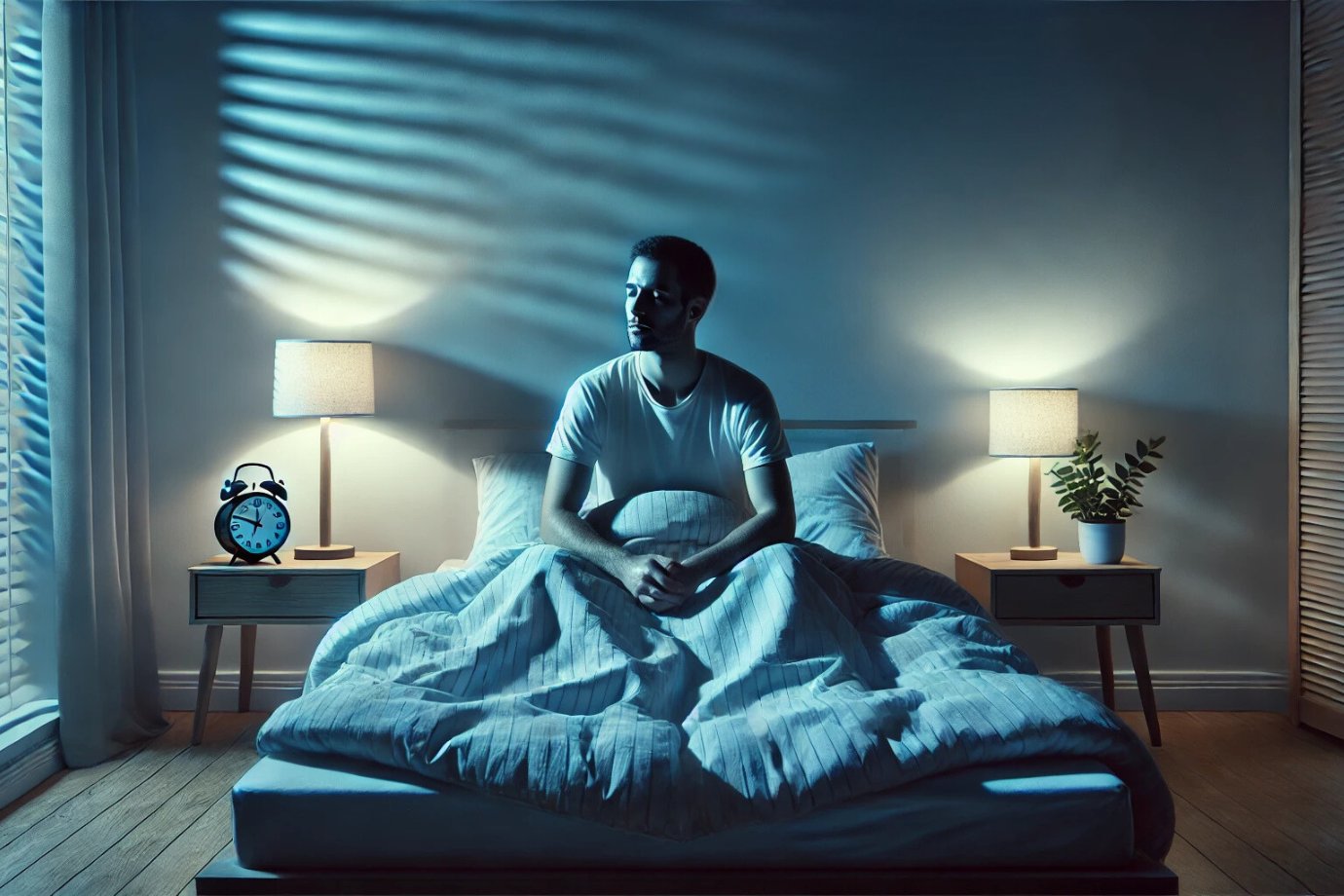
Sleep disorders can make it hard to focus and leave you short of energy, and over time they can affect your general health. A sleep physician usually makes the diagnosis from your symptoms, your medical history, an examination and often a sleep study.
Symptoms that can point to a sleep disorder
Sleep disorders include insomnia, sleep apnoea, narcolepsy and restless legs syndrome. Each has its own symptoms, but these are common signs:
- Trouble falling or staying asleep, or waking too early and not getting back to sleep.
- Feeling very tired during the day, however much sleep you think you have had.
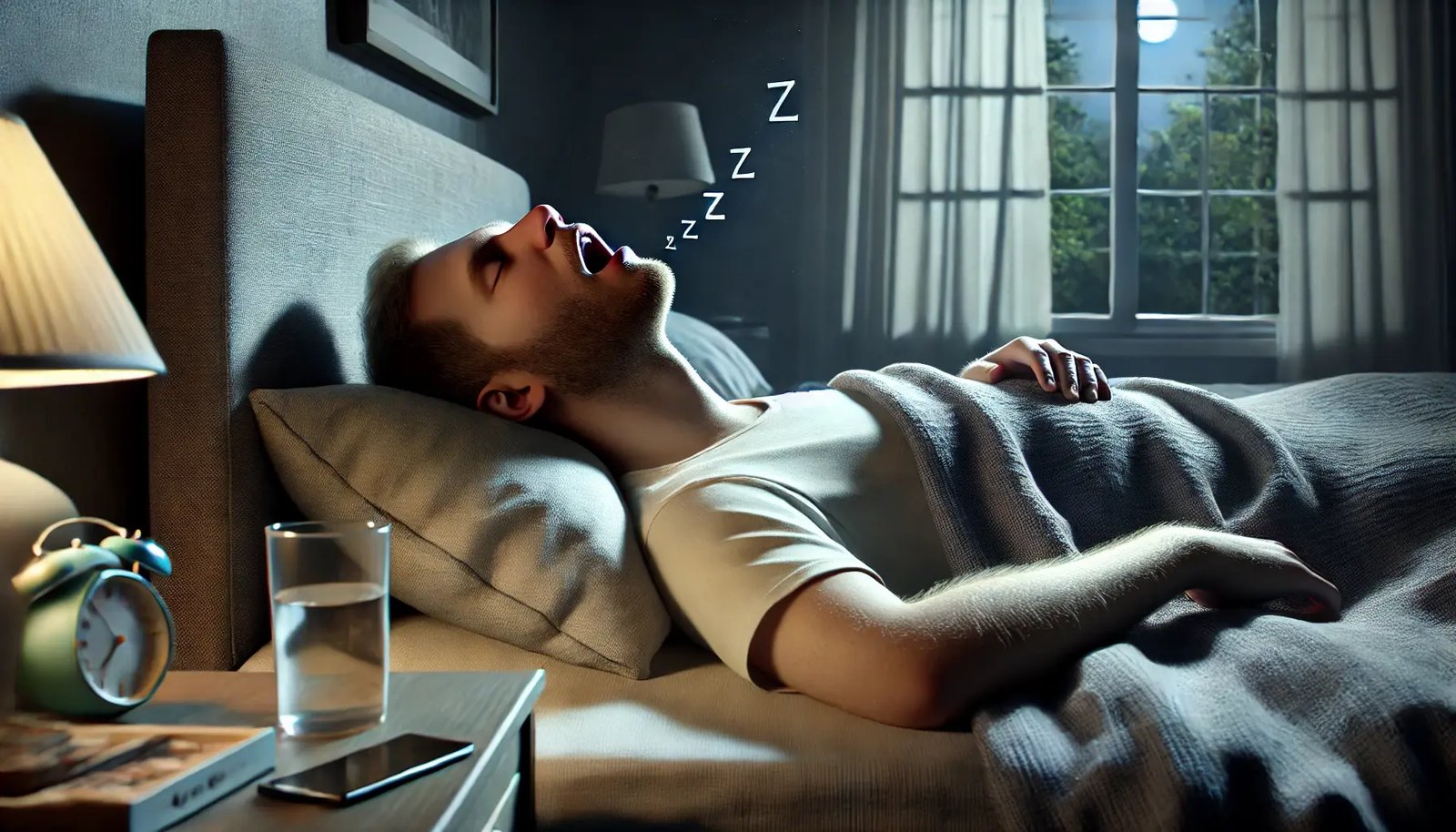
- Loud snoring, choking or gasping during sleep, often noticed by a partner. These can be signs of sleep apnoea.
- Acting out dreams, sleepwalking or frequent leg movements during sleep, which can point to a parasomnia or another sleep disorder.
- Irritability, poor concentration or memory problems that do not go away.
If you notice any of these regularly, talk to your GP. Sleep problems that go on for a long time are linked with heart disease, weight gain and mental health problems, so they are worth having checked.
Your first appointment
Your GP is the place to start. If a sleep disorder seems likely, your GP or specialist can refer you to a sleep physician, a doctor who specialises in sleep disorders. A referral is normally required.
At the first consultation, the sleep physician takes time to understand your symptoms, your lifestyle and your medical history. This helps narrow down which sleep disorder may be involved, and rule out other health problems that could be disturbing your sleep. Expect questions about:
- Your health and your family's. Some sleep disorders, such as sleep apnoea, run in families, and conditions such as high blood pressure or extra weight can affect sleep.
- Your sleep habits and routine, including caffeine, exercise and work hours. You may be asked to keep a sleep diary for a week or two, noting when you go to bed, when you wake and any waking in the night.
- Each symptom: when it started, how often it happens and how bad it is. The sleep physician may also ask about your mood, memory and concentration, because poor sleep often affects them.
From there, the sleep physician may suggest one or more tests.
Sleep studies and other tests
A sleep study records what your body does while you sleep. Your doctor will choose the test that suits your symptoms.
In-lab sleep study (polysomnography)
Polysomnography (PSG) records a full night of sleep in a hospital sleep laboratory. You have a bedroom to yourself, and a sleep scientist watches the recording from a nearby room. Small sensors record:
- Brain waves (EEG), from sensors on your scalp, which show the stages of sleep, including dreaming (REM) sleep. This can help identify conditions such as REM sleep behaviour disorder.
- Eye movements (EOG), which show when you move from one stage of sleep to the next.
- Muscle activity (EMG), which shows leg movements and other movements during sleep.
- Heart rate and oxygen level (ECG and pulse oximetry), which help show sleep apnoea.
- Breathing and airflow, from sensors near your nose and mouth, which pick up pauses and changes in breathing.
Together, these show how you sleep, breathe and move during the night, and help diagnose conditions such as obstructive sleep apnoea, periodic limb movement disorder and narcolepsy. In-lab sleep studies take place in a hospital sleep laboratory, and a Sleepscope sleep physician can refer you for one.
Home based sleep study
If obstructive sleep apnoea is suspected, your doctor may suggest a sleep study at home. It records fewer signals than a laboratory study, and you sleep in your own bed. A home study usually records:
- Your breathing, how hard you are working to breathe, and your oxygen level, the main signs of sleep apnoea.
- Your heart rate.
- With some devices, snoring and the position you sleep in.
A home study is mainly used when sleep apnoea is likely. If the result is clear, your doctor can plan treatment. If it is not, an in-lab study may still be needed.
Some Sleepscope clinics offer a home based sleep study. The equipment is fitted at the clinic, and you return it between 9:00 am and 11:00 am on the next clinic opening day.
Multiple sleep latency test (MSLT)
The MSLT measures how quickly you fall asleep during a series of daytime naps. It is used when someone is very sleepy during the day and narcolepsy or idiopathic hypersomnia is suspected.
The test records how long you take to fall asleep in each nap and whether dreaming (REM) sleep begins. Falling asleep quickly and going into REM sleep in the naps can point to narcolepsy. Together with the overnight study the night before, it shows both your night-time sleep and how sleepy you are during the day. The MSLT takes place in a hospital sleep laboratory, and a Sleepscope sleep physician can refer you.
Actigraphy
Actigraphy uses a small device worn on the wrist for several days or weeks. It records movement, so it shows when you are active and when you rest, and estimates how long and how well you sleep.
Because it covers many nights, a sleep physician may suggest it for irregular sleep times, for shift workers, or when a body clock (circadian rhythm) disorder or insomnia is suspected. It can also help in some cases of restless legs syndrome.
Where Sleepscope fits in
Sleepscope sleep physicians can see patients who have a referral from their GP or specialist. At a sleep consultation, the sleep physician asks about your sleep and how your symptoms affect daily life, reviews your medical history and medications, and may recommend further tests.
Fees are listed on each clinic's page, and the clinic will confirm them before your visit. If you have questions, call us on 1800 202 111.
This article is general information only. It is not a substitute for individual medical advice. Please speak with your doctor about your own circumstances.
Frequently asked questions
How long does a sleep study take?
An in-lab study takes one night. You arrive at the sleep laboratory in the evening, and you can leave in the morning once the sensors are removed. An MSLT follows on the day after an overnight study and usually finishes in the late afternoon. For a home based sleep study, fitting the equipment takes about 15 to 30 minutes at the clinic, and you return it between 9:00 am and 11:00 am on the next clinic opening day.
Is a sleep study uncomfortable?
The sensors sit on your skin, held on with sticky patches or a little cream, and nothing goes under your skin. Some people find it harder to sleep with sensors on or in an unfamiliar room. Please tell the staff if a sensor bothers you. Your skin may look slightly red where the patches were, and this fades quickly.
Can I do my sleep study at home?
For some people, yes. If obstructive sleep apnoea is suspected, a home based sleep study may be an option, and you sleep in your own bed. Your doctor will advise whether a home study or an in-lab study suits your symptoms and health.
Will my health insurance cover the tests?
Costs depend on the test and where it is done. For appointments and tests at Sleepscope, fees are listed on each clinic's page, and the clinic will confirm them before your visit. If you are referred to a hospital sleep laboratory, please ask the laboratory about its costs. Your health fund can tell you what your policy covers.
What happens if my sleep study is normal?
The sleep physician may look at other possible causes of your symptoms, and can give advice on sleep habits and routines that may help. Please tell your doctor if your symptoms continue.