

ON THIS PAGE

Sleep-disordered breathing (SDB) is the name for conditions that disrupt breathing during sleep. Many people do not realise it is happening, because the pauses or shallow breaths occur while they are asleep. It can affect the quality of your sleep and your general health, and if you notice the signs below, your GP is the place to start.
Types of sleep-disordered breathing
Obstructive sleep apnoea (OSA)
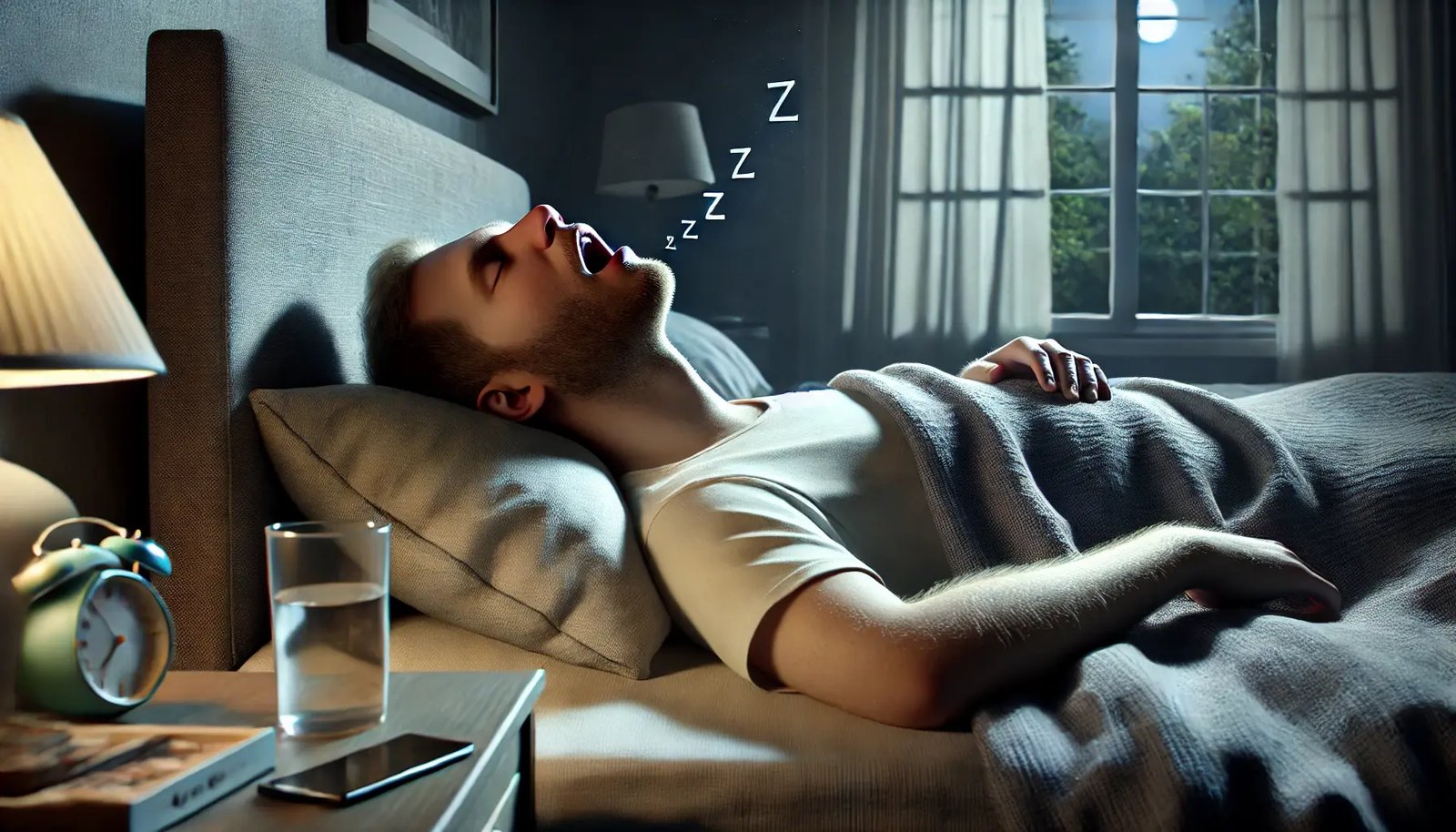
Obstructive sleep apnoea is the more common type. During sleep, the throat muscles relax and the airway narrows or closes, so breathing becomes shallow or stops. A very brief waking, which you usually do not notice, lets breathing start again. This can happen many times a night and breaks up your sleep.
Common signs of OSA include:
- Loud snoring, often noticed by a partner
- Gasping or choking sounds during sleep
- Waking often during the night, including to go to the toilet
- Morning headaches or a dry mouth
- Drowsiness and trouble concentrating during the day
Central sleep apnoea (CSA)
In central sleep apnoea, breathing pauses during sleep because the brain's signals to breathe are not sent properly, even though the airway is open. It is less common than OSA and often occurs with another health condition, such as heart failure, a past stroke or a condition affecting the brain and nerves.
Common signs of CSA include:
- Waking suddenly and short of breath
- Difficulty staying asleep (insomnia)
- Severe tiredness during the day
- Poor concentration and memory
- Changing position often during sleep
What raises the chance of sleep-disordered breathing
With OSA, a narrow airway, large tonsils or extra body weight often play a part. CSA more often comes with a medical condition that affects how the brain controls breathing. Other things that raise the chance include:
- Extra weight around the neck can press on the airway and make it more likely to close.
- Alcohol, sleeping tablets and other sedatives relax the throat muscles.
- The muscles of the throat and airway weaken with age.
- Sleep apnoea is more common in men, and in women after menopause.
- The shape of the airway and the way the brain controls breathing can run in families.
Why symptoms are worth checking
Sleep apnoea is linked with high blood pressure, heart disease, type 2 diabetes and stroke, and broken sleep can affect your mood, including depression and anxiety.
Daytime tiredness can make it harder to concentrate and leave you irritable, and it raises the chance of accidents at work or on the road. Please do not drive while you feel sleepy.
Treating sleep apnoea aims to lower the chance of related health problems, such as high blood pressure, so talk to your GP if you notice the signs above.
Treatment options
Changes to daily habits
For some people, changes to daily habits reduce the symptoms:
- If you are overweight, losing weight can reduce sleep apnoea, and some people then need less treatment.
- Alcohol and sleeping tablets relax the throat muscles, so it is worth limiting them, particularly in the evening. Please talk to your doctor before changing a prescribed medication.
- Sleeping on your side can help, because the airway closes more easily when you lie on your back.
Continuous positive airway pressure (CPAP)
CPAP is a common treatment for OSA. You wear a mask over your nose, or your nose and mouth, and a small pump sends air to it through a tube. The air pressure holds your throat open while you sleep. CPAP only works while it is in use, so you wear it whenever you sleep, and getting used to it can take time.
Oral appliances
An oral appliance, made and fitted by a dentist, holds the lower jaw forward during sleep and may suit mild to moderate sleep apnoea. The sleep physician can discuss which treatment may suit you, including other alternatives to CPAP.
Treatment for central sleep apnoea
Treating CSA often starts with the condition behind it. Some people use a device during sleep that supports their breathing, such as CPAP or adaptive servo-ventilation (ASV), and medication is sometimes used as well. The sleep physician will explain the options.
Where Sleepscope fits in
Your GP or specialist can refer you to a Sleepscope sleep physician, who can investigate your symptoms or help manage an existing diagnosis. A referral is normally required.
Some Sleepscope clinics fit home based sleep studies. If an in-lab sleep study would help, the sleep physician can refer you to a hospital sleep laboratory.
Fees are listed on each clinic's page, and the clinic will confirm them before your visit. If you have questions, call us on 1800 202 111.
If your breathing suddenly becomes worse, please call triple zero (000) rather than waiting for an appointment.
This article is general information only. It is not a substitute for individual medical advice. Please speak with your doctor about your own circumstances.
Frequently asked questions
What is sleep-disordered breathing?
It covers conditions that disrupt breathing during sleep, such as obstructive sleep apnoea (OSA) and central sleep apnoea (CSA). They can affect the quality of your sleep and, over time, your general health.
How do I know if I have sleep apnoea?
Talk to your GP if you notice loud snoring, gasping during sleep, morning headaches or daytime tiredness. Many people are not aware that their breathing pauses, so someone who shares your bedroom may notice first. A sleep study is usually needed to confirm it.
Does sleep-disordered breathing go away?
For most people it is a long-term condition that needs ongoing management. CPAP, an oral appliance or changes to daily habits can ease the symptoms, and the sleep physician will discuss which may suit you.
How can Sleepscope help me?
With a referral from your GP or specialist, a Sleepscope sleep physician can assess your symptoms and help manage sleep apnoea. Some Sleepscope clinics also fit home based sleep studies, and the sleep physician can refer you to a hospital sleep laboratory if an in-lab study would help.